
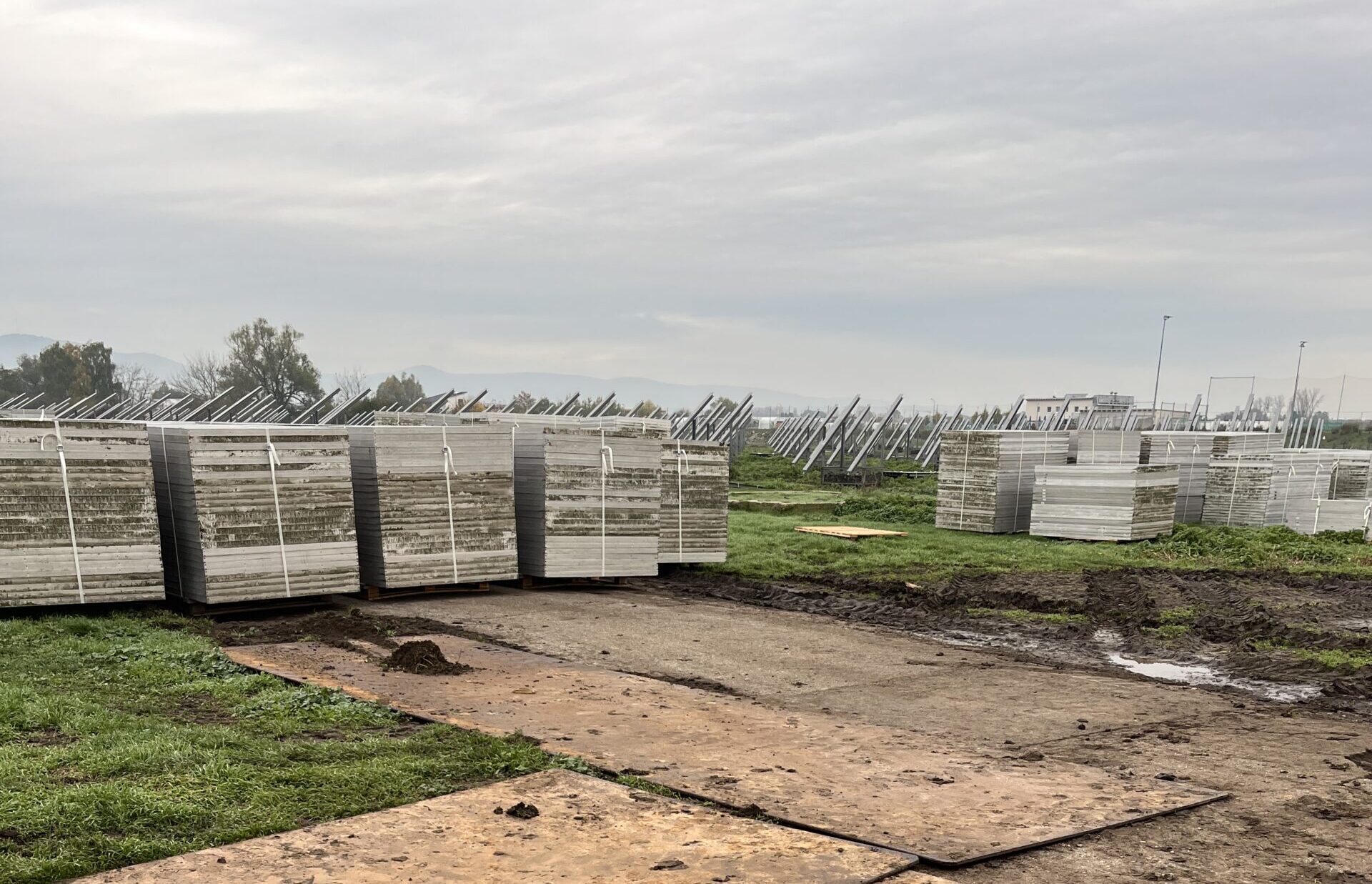
What Happens to Old Solar Panels in Europe?
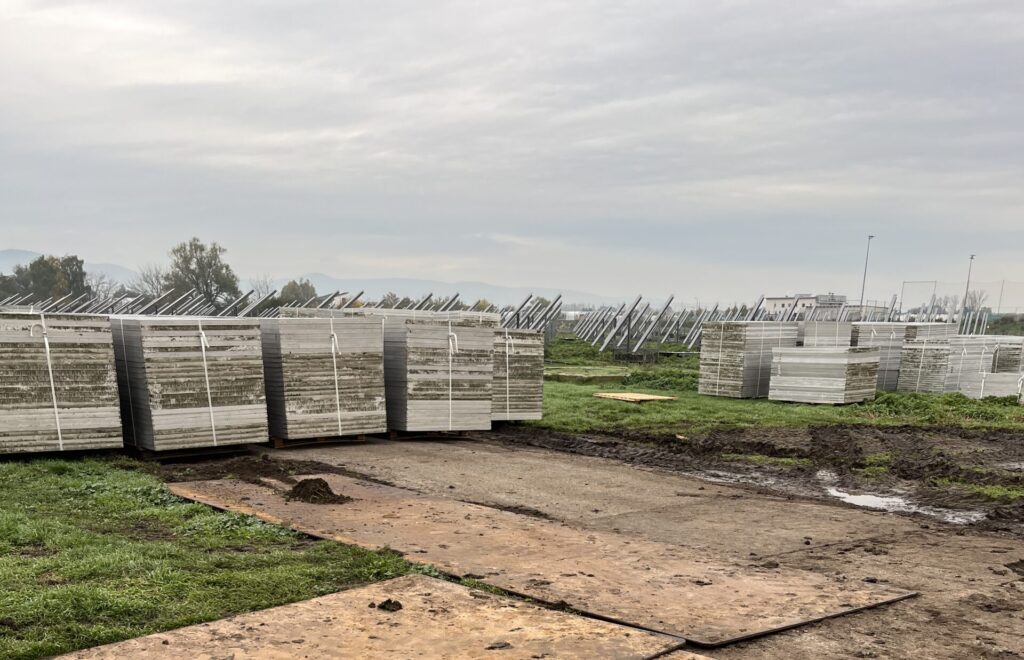
Across Europe, solar energy has become one of the cornerstones of the energy transition. Over the last two decades, millions of photovoltaic panels have been installed on rooftops and in solar parks. These systems have generated clean power for years, but many of the early installations are now reaching the end of their life cycle.
This development raises an important question that many operators, manufacturers, and policymakers are now facing: what happens to old solar panels in Europe once they stop working?
The answer reveals both Europe’s progress in building a circular energy system and the challenges still ahead. The journey of an end-of-life solar module shows how sustainability and technology must go hand in hand.
The Lifecycle of an Old Solar Panel
A typical crystalline silicon solar panel has a service life of about 25 to 30 years. After this period, performance usually drops below 80 percent of its original output. Panels are then considered end-of-life (EoL) and are treated as electrical waste under the EU Waste Electrical and Electronic Equipment Directive (WEEE Directive).
The WEEE Directive, implemented in 2012, made manufacturers and importers legally responsible for collecting and recycling photovoltaic modules. The goal is clear: to prevent solar panels from ending up in landfills and to recover valuable materials such as glass, aluminum, silicon, copper, and silver for reuse in the circular economy.
Collection and Recycling in Practice
When PV systems are decommissioned, the panels follow a regulated path:
- Collection and Sorting
Panels are gathered from rooftops, ground-mounted systems, or warehouses. They are sorted by type, age, and condition. Some are identified for reuse, while others move to recycling facilities. - Transportation to Certified Recyclers
Specialized logistics companies handle the movement of panels. Each shipment is documented to ensure full traceability in line with WEEE requirements. - Recycling Process
At the recycling facility, the modules are carefully dismantled. Frames and junction boxes are removed, followed by mechanical and thermal processing to separate the individual materials.- Glass, which makes up about 70 to 75 percent of a panel, is cleaned and reused in construction or new solar glass.
- Aluminum frames are melted down and returned to industrial production.
- Silicon wafers, copper wiring, and silver paste are recovered using specialized processes.
- Reuse and Secondary Markets
If a module still functions, it can be refurbished and resold. Many are exported to developing countries where lower efficiency is acceptable, giving them a second life.
The Scale of Europe’s Solar Waste Challenge
By 2030, the European Union is expected to face more than 1 million tons of solar panel waste every year. This number will continue to rise as early-generation systems reach the end of their lifespan.
Some countries, such as France and Germany, already operate national take-back and recycling networks through organizations, which coordinates collection on behalf of manufacturers. Others, including Italy, Spain, and the Netherlands, are rapidly expanding their own infrastructures.
However, the challenge remains enormous. While recycling technology has advanced significantly, Europe still needs more capacity to process the coming wave of PV waste. In some regions, old panels are still stored temporarily or exported due to limited local recycling facilities.
To close this gap, European recyclers are developing advanced processes that achieve recovery rates above 95 percent. This includes new methods for recovering high-purity silicon and silver, which are essential for sustainable and profitable recycling.
Environmental and Economic Benefits
Every recycled solar panel helps conserve resources and reduce emissions.
- Recycling aluminum saves up to 95 percent of the energy required to produce it from raw bauxite.
- Reusing glass reduces the need for new sand mining.
- Recovering silver and copper decreases dependence on mining and helps stabilize supply chains.
At the same time, the recovered materials have economic value. With global demand for raw materials rising, PV recycling is becoming not only an environmental necessity but also a strategic business opportunity for Europe.
PVMRC Insight
At PVMRC GmbH, we see end-of-life PV modules as a valuable source of raw materials. Our mission is to build a sustainable infrastructure for photovoltaic recycling across Europe.
We manage the complete process from safe dismantling and logistics to efficient recycling and WEEE-compliant documentation. Our teams ensure that every module is collected, transported, and processed responsibly, with maximum material recovery.
Our vision is simple: turning old panels into the foundation for the next generation of clean energy.
Frequently Asked Questions
- What happens to solar panels after they stop working?
They are collected, transported to certified recyclers, and processed to recover glass, aluminum, silicon, copper, and silver. - Are solar panels recycled in every EU country?
Yes, but recycling capacity varies. France and Germany are leading, while other countries are still expanding their infrastructure. - Can old solar panels be reused?
Yes. Many still-functioning modules are refurbished and exported for use in smaller installations or off-grid systems. - What is the WEEE Directive and why is it important?
It is EU legislation that makes producers responsible for the proper recycling and financing of electronic waste, including PV modules. - How does PVMRC contribute to the recycling ecosystem?
PVMRC coordinates dismantling, logistics, and recycling projects across Europe, ensuring legal compliance and sustainable material recovery.
Conclusion & Call to Action
The future of solar energy depends not only on how we produce power but also on how we manage the materials that make it possible. Europe is leading the global transition toward responsible solar recycling, but the coming years will be decisive.
If your company is planning repowering, decommissioning, or needs support with recycling and compliance, PVMRC GmbH is your partner for end-of-life PV management.
Let’s Turn Old PV Modules into New Resources
Partner with PVMRC to reduce complexity and ensure sustainable handling of solar park disassembly, transport, and recycling.