
A growing number of photovoltaic modules are reaching the end of their technical or economic service life. Owners, EPCs, manufacturers and municipalities need a dependable way to remove, transport, assess and recover them. A working circular economy connects environmental responsibility with predictable operations. It begins at survey, dismantling and sorting rather than at the recycling plant gate.
What PV module recycling really includes
Recycling is one stage in a longer chain. A project must first decide whether a module can continue operating, be repaired, be prepared for reuse or should be managed as waste electrical equipment. Secure collection, packaging, transport, acceptance, pre-treatment, separation and markets for recovered materials then follow.
The EU includes photovoltaic panels in its waste electrical and electronic equipment framework, promoting separate collection, appropriate treatment, reuse and recycling. Specific responsibilities depend on country, project role and contracts, so legal and operational review belongs in project planning.
1. Keep valuable materials in circulation
Standard crystalline modules contain a large proportion of glass as well as aluminium frames, silicon cells, copper, polymers and other metals. The quality and quantity of output fractions depend on construction and treatment technology. A headline recovery rate by weight does not describe the complete circular value.
Good planning considers how frames, cables, junction boxes, laminated glass and cell material are treated and what evidence the processor supplies. Cleaner and better-characterised incoming streams make treatment easier to plan.
2. Make compliance and evidence manageable
End-of-life modules are not ordinary construction debris. Collection, transfer and treatment are subject to nationally implemented rules and may interact with further transport and waste requirements. Each responsible party should be identified in writing.
Depending on the case, records may include quantities, module types, origin, load units, collection and receipt information, and treatment evidence. Cross-border movement can require additional checks. This article is not legal advice; it identifies organisational questions for qualified advisers and authorities.
3. Assess reuse objectively before recycling
A functioning module does not automatically need recycling. Reuse may conserve resources where the product is technically suitable, safe, identifiable and appropriate for its intended application. A robust decision considers visible damage, electrical testing, performance, ageing, connectors and documentation.
Broken glass, fire damage, uncertain electrical safety or the absence of a viable application may make another route necessary. Market demand, transport distance and destination requirements also influence whether a second life is sensible and permissible.
4. Treat logistics as part of circular performance
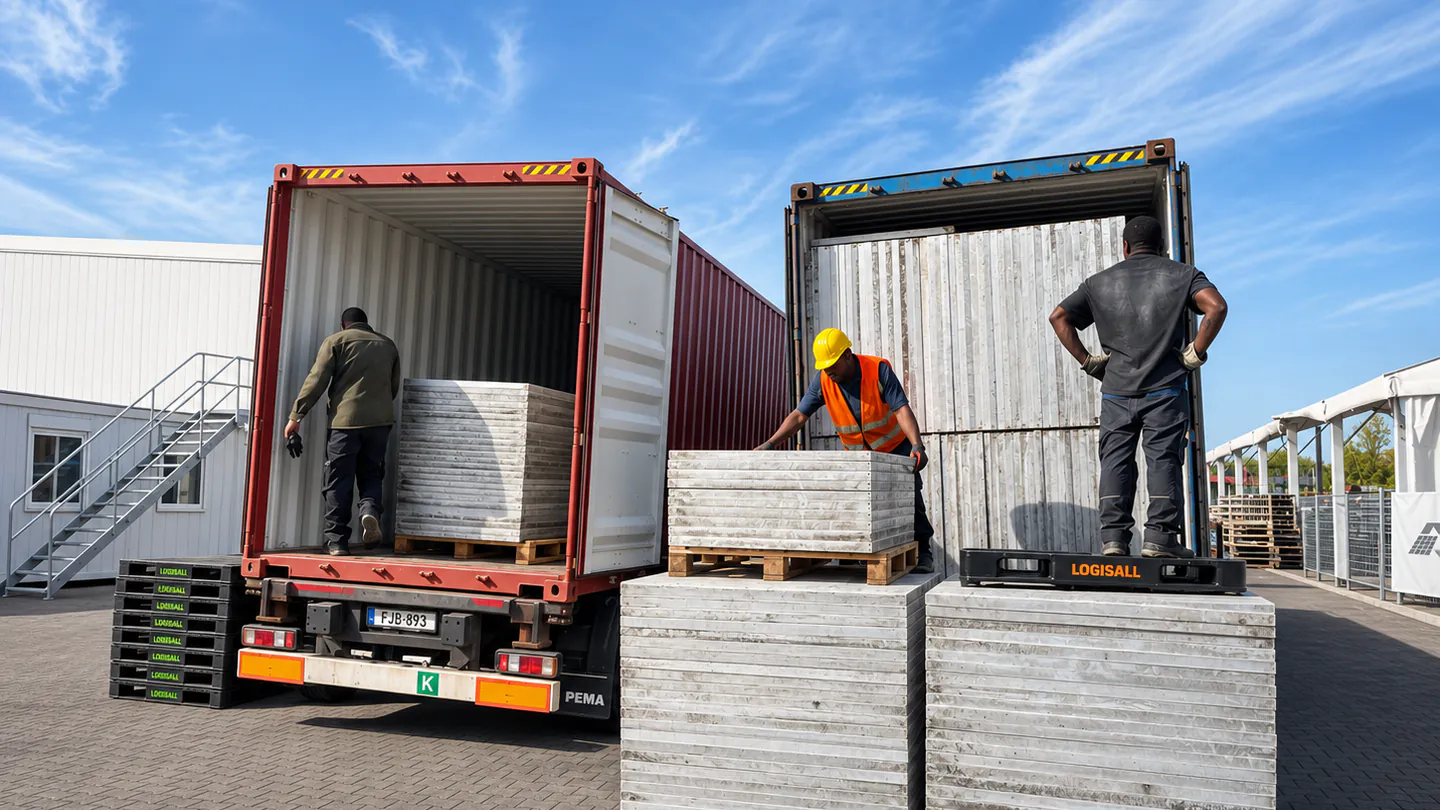
Panels need to be collected in the field, assembled into stable load units, stored safely and sent to the correct recipient. Inappropriate pallets or mixed batches lead to rework, breakage and additional journeys.
Booked collection windows, realistic forecasts and clear acceptance criteria connect the site with the facility. European projects also face different routes and national requirements. A coordinating partner reduces interfaces and helps prevent storage constraints from stopping work.
5. Build scalable capacity
Europe’s installed PV fleet has expanded over many years, so replacement and end-of-life volumes will increase with a delay. Hail, storms, fire, batch defects and early repowering can also create sudden consignments.
Scale requires trained crews, packaging material, secure storage, data quality, acceptance capacity and transport slots as well as treatment equipment. Multi-site owners benefit from consistent datasets and framework processes with site-specific execution.
6. Create transparency through connected data
A traceable chain starts with the outgoing quantity. Counts, weights, manufacturers and models are often incomplete or changed through repairs. Actual volumes and deviations should be captured during removal, and load units need unambiguous identification.
Digital records can unite photographs, weighbridge tickets, transport information, receipt confirmations and treatment outcomes. They support approval, reporting and audit, but teams still need a clear process for recording, checking and correcting data.
7. Use partnerships to accelerate innovation
Manufacturers understand product design, owners know the installed base, dismantling contractors see site reality, logistics providers manage transport and recyclers understand their output quality. Researchers and equipment suppliers develop improved delamination and recovery methods.
International work also identifies logistics cost, available volume and secondary-material markets as continuing challenges. Connecting knowledge can produce cleaner batches and better applications for recovered materials.
A typical PV recycling project
The project starts with location, quantity, module type, condition, removal period and available records. Classification, recipient selection, packaging, transport planning and required evidence follow. Damaged panels and mixed technologies may need separate instructions.
During execution, quantities are checked, units labelled and transfers recorded. Receipt and treatment information complete the file. A resilient plan also covers additional volume, damaged pallets, changed access or delayed acceptance.
Information needed for a reliable enquiry
Useful input includes count or weight, manufacturer and model, dimensions, photographs, condition, dismantling need, current storage, location, access, loading equipment and preferred timing. Breakage, fire or water exposure should be stated clearly.
It also matters whether reuse assessment is required and which documents the client expects. Better input supports accurate planning of pallets, vehicles, labour and cost. Missing information can be closed through a structured review or site survey.
Procurement and partner selection
Owners should compare more than a price per panel or tonne. Acceptance criteria, packaging, handling of damaged units, treatment routes, subcontractors, insurance, data delivery and response to exceptions all matter.
A consistent scope separates dismantling, packaging, loading, transport, treatment and documentation. It reveals whether a low price covers the entire requirement or leaves important interfaces with the client.
Outlook: from waste stream to resource flow
The European framework promotes separate collection, appropriate treatment and resource efficiency. Technology developers are seeking higher-quality recovery of silicon and metals alongside glass and aluminium. Success depends on technology, volume, purity, energy, logistics and demand.
PVMRC combines dismantling, sorting, logistics and documented handover. The objective is not one standard route for every consignment but a transparent route suited to its condition, location and volume.
Frequently asked questions
Are panels covered by the European WEEE framework? PV panels are included, while detailed national implementation and responsibilities need to be checked. Are all materials recovered completely? Technologies and outputs vary, and a high recovery rate by weight does not mean equal quality for every fraction.
Does recycling make sense for small quantities? Location, condition, packaging and transport have a major impact; consolidation may help. Is reuse always preferable? Only where a panel is safe, functional, documented and suitable for its new purpose.
Planning a similar project?
We will assess requirements, quantities and practical next steps with you.
Project request